Leadership | 11.21.25
Reflecting on National Nurse Practitioner Week
By Paula Brooks, DNP
Medical Staff Professionals (MSPs) play a vital role in verifying the qualifications, licensure, and competencies of all healthcare providers. As the number of advanced practice providers (APPs) — particularly nurse practitioners (NPs) — continues to rise, MSPS must approach their credentialing with the same diligence and standards applied to physicians. Credentialing verifies that NPs meet the required standards for education, licensure, and clinical competence, ensures NPs are authorized to practice, prescribe, and bill within the scope defined by state law and organizational policy, and helps align NP privileges with institutional bylaws and state regulations.
National Nurse Practitioner Week, observed November 9–15, 2025, honors the contributions of advanced practice registered nurses (APRNs) and their impact on the health of millions across the country. APRNs include certified registered nurse anesthetists (CRNAs), certified nurse midwives (CNMs), clinical nurse specialists (CNSs), and nurse practitioners (NPs). This week serves as a dedicated opportunity to spotlight specifically the NP role, celebrate their clinical excellence, and raise awareness of the high-quality care they provide.
About Nurse Practitioners
Nurse practitioner training programs were first developed 60 years ago due to a shortage of physicians. State governments sought innovative ways to meet the growing demand for primary health care services. Because the physician shortage made it difficult to meet this demand, nurses began to take on the responsibility of providing primary care. Nursing leaders believed that nurses were qualified to expand their roles to meet these needs. Out of that demand, the nurse practitioner profession grew to fill an important and vital role in America’s healthcare system.
In 1965, Loretta Ford and Henry Silver, a nurse and a physician, created the first training program for nurse practitioners. Since that time, NPs have been providing a wide range of safe and cost-effective preventive and acute healthcare services to individuals of all ages. The NP profession has grown to fill an ever-expanding position in America’s healthcare system.
Presently, a nurse practitioner is an APRN who has completed graduate-level education such as a master’s or a doctoral degree. All NPs are registered nurses licensed by their state of residence, who have completed additional education and training and have an expanded scope of practice over the traditional registered nurse role. NPs specialize in many areas, including acute care, gerontology, pediatric/child health, adult health, neonatal health, psychiatric/mental health, family health, oncology, women’s health, and emergency services. Working hand in hand with other licensed healthcare professionals, NPs improve the responsiveness and efficiency of our healthcare system.
In the United States, the NP workforce has increased by more than 75% from 2000 to 2011, and presently, there are approximately 431,000 with an additional 50,000+ master’s and 12,000+ doctor of nursing practice (DNP) students graduating from nursing programs each year. Nearly 1 billion patient visits are made to NPs annually. Through the U.S. Department of Veterans Affairs, the federal government approved full scope of practice for NPs nationwide in 2016, which means they are authorized to provide a full range of services, such as ordering, performing, and interpreting diagnostic tests; diagnosing and treating acute and chronic conditions, such as diabetes and high blood pressure; prescribing medications and treatments; and managing overall patient care. Many states have followed. As of mid-2025, 27 states and the District of Columbia grant full practice authority to nurse practitioners, which is the equivalent of an independent license. In these states, NPs can evaluate, diagnose, and treat patients without physician oversight.
Events held in communities around the country during NP week help acquaint local citizens with the role of NPs as providers of high-quality, cost-effective, personalized healthcare. It will also highlight the value of choosing an NP as your partner in health. NP practice offers a unique combination of nursing and healthcare treatment. Focusing not only on diagnosing and managing acute and chronic illnesses (e.g., diabetes, high blood pressure), NPs integrate health promotion, disease prevention, counseling, and patient education to help patients understand their complete health picture.
Some Facts About Nurse Practitioners
- Nurse practitioners are expert clinicians with advanced training who provide primary, acute, and specialty healthcare.
- NPs offer high-quality, cost-effective, patient-centered healthcare.
- NPs have master’s degrees, and many have doctoral degrees, as well as advanced education and clinical training.
- NPs are licensed and can prescribe medication and other treatments in all 50 states and the District of Columbia.
- Patients whose primary care providers are NPs have fewer emergency room visits and shorter hospital stays, resulting in lower out-of-pocket costs.
- Nearly 3 out of 4 patients support legislation for greater access to NP services.
- NPs emphasize the health and well-being of the whole person in their approach, including helping patients make educated healthcare decisions and healthy lifestyle choices.
- The confidence patients have in NPs is demonstrated by the more than 1 billion visits made to NPs each year.
To learn more about NP Week and the NP profession, visit aanp.org. To locate an NP in your community, go to npfinder.com.
References
AANP National Nurse Practitioner Week Resource Guide, 2025 accessed at https://npweek.aanp.org/?_gl=1*i4ih86*_gcl_au*MTU4OTEzMjc5MC4xNzU2OTkzMTQwLjY1MDMyMDgzOC4xNzYxNDE5NDg5LjE3NjE0MTk3Mzk.
American Association of Colleges of Nursing (AACN), 2025 accessed at https://www.aacnnursing.org/news-data/research-data-center/new-graduate-employment-data
Bauer, J. C. (2010). Nurse practitioners as an underutilized resource for health reform: Evidence-based demonstrations of cost-effectiveness. Journal of the American Academy of Nurse Practitioners, 22(4), 228-231. doi: 10.1111/j.1745-7599.2010.00498.x
Institute of Medicine (IOM). (2011). The future of nursing: Leading the change, advancing health. Washington, D.C.: The National Academies Press Retrieved from http://books.nap.edu/openbook.php?record_id=12956&page=R1
Metzger, R., & Rivers, C. (2014). Advanced Practice Nursing Organizational Leadership Model. The Journal for Nurse Practitioners, 10(5), 337-343. doi: 10.1016/j.nurpra.2014.02.015
Rhodes, C. A., Fusilero, J., & Williams, C. M. (2010). Development of the role of director of advanced practice nursing. Nurs Econ, 28(1), 58-62
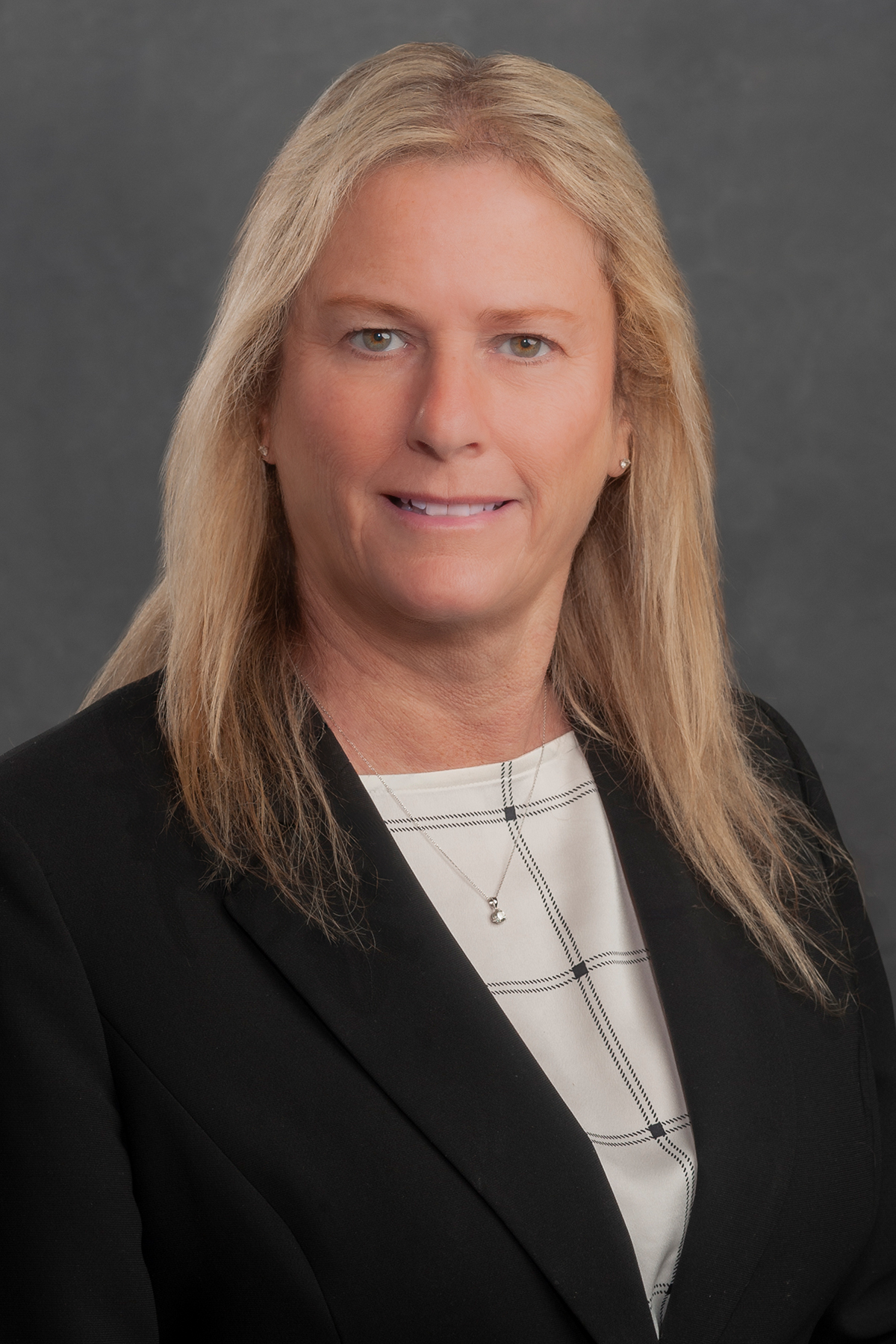
Paula Brooks, DNP
Paula Brooks is a DNP with a master’s in business administration with 27 years of experience as an advanced practice nurse. For the past 9 years she has served in APP leadership roles. She is currently the associate vice president of advanced practice providers in a large academic medical center.
Paula is a strong advocate for patient safety, quality care, and the NP role. She has served on medical executive committees, credential committees, clinical practice committees, and leadership councils. She also held seats on the board of directors at Baystate Medical Practices, for the Advanced Practice Providers Executives, the Massachusetts Coalition of Nurse Practitioners, and a member of the board for BayCare Health Partners PHO (one of the 1st PHOs in the country to welcome advanced practice clinicians as members). In 2023, she became one of the first Fellows of the AP advanced practice providers executives. Paula held office as the state legislative policy director for the Massachusetts Coalition for Nurse Practitioners and has received the 2024 American Association of Nurse Practitioners Advocate State Award for Excellence for the state of Massachusetts.