Members Only | 04.09.26
Experiencing NAMSS for the First Time: What Makes Annual Conference Memorable
By Teddy Durgin
If only we could go back and re-live our first times attending certain events and see them again through fresh eyes. Our first movie. Our first concert. Our first Major League Baseball game. The NAMSS 49th Educational Conference & Exhibition , held in the fall of 2025 in Portland, Oregon, had a number of first-time attendees, bringing their own special blend of wide-eyed energy and enthusiastic curiosity. For them, there were new discoveries around each corner, new contacts to be made, and new insights to glean.
Ginny McCall, director of medical staff services at HCA Florida Lake City Hospital, was almost instantly amazed at the four-day event, calling it an elevated experience compared to conferences she had previously attended. “There was a noticeable difference in both the caliber of content and the level of engagement among attendees,” she says. “It created an environment where meaningful connections felt not only possible but encouraged if you were willing to step into it.”
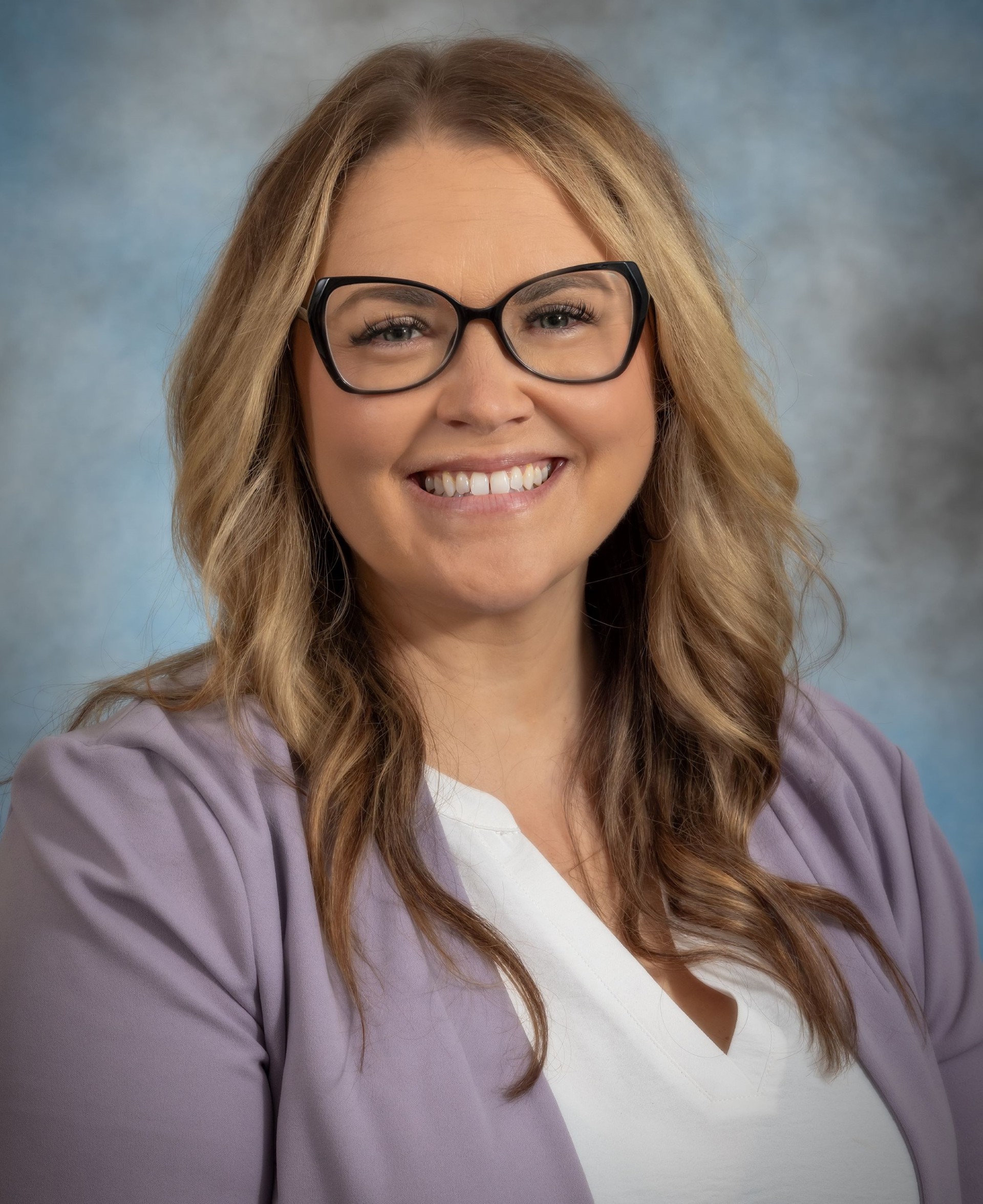
Allison Blodgett
Equally impressed was Allison G. Blodgett, manager of medical staff services for MyMichigan Health. Being a newbie to the NAMSS conference, she found the event to be well-organized and engaging. “[It was] thoughtfully designed to provide value across multiple areas — credentialing, privileging, provider enrollment, leadership, regulatory compliance, quality, and risk,” Blodgett says.
Attendance With Purpose: What Drew These MSPs to NAMSS
Blodgett wanted to attend a NAMSS conference for years. She finally registered, ready to expand her knowledge of medical staff services, credentialing, and privileging best practices, as well as to stay current on industry trends and regulatory updates. “I also wanted to connect with other medical services professionals nationwide,” she says.
Blodgett received a NAMSS scholarship for her first year, which made requesting travel expenses more feasible at a time when her organization was limiting conferences and travel to reduce costs. “After returning, I shared my key takeaways, actionable ideas, and ways the conference strengthened our processes, highlighting the value of professional development and networking,” she says.
Matt Littlejohn, CVO manager for LocumTenens.com, found the experience equally valuable, especially with provider enrollment becoming increasingly important in the locum tenens space. The experience piqued his interest. “I have a couple colleagues who are CPCS® certified, and my organization has always been clued in to NAMSS.”
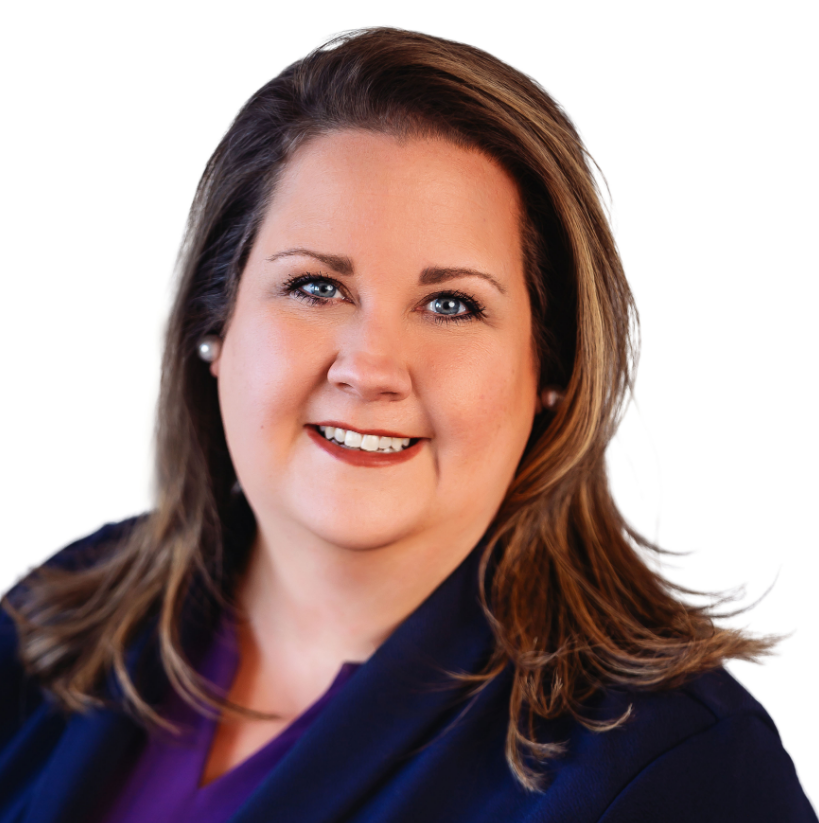
Ginny McCall
McCall, meanwhile, registered because she was ready to take her career to the next level. She had been actively involved at the state level for several years, and 2025 felt like the right time to expand her perspective and experience on the national stage. “I was genuinely curious about the energy, innovation, and connections that come from a broader MSP community, and I wanted to be a part of that,” she says.
McCall is grateful for the organizational support she received, particularly considering the time away from work that was needed. She framed her attendance as an opportunity not just for personal growth, but as a direct benefit to the organization. “Conferences like this allow us to benchmark, innovate, and continuously improve how we support our providers,” she says. “Additionally, being selected for the Tomorrow’s Leaders Program helped offset some of the financial burden, which made the investment even more accessible.”
Speaking of the Speakers: Presentations That Made an Impact
All three first-timers interviewed raved about the speakers who led workshops and gave presentations at NAMSS 2025. Blodgett found the sessions on credentialing efficiency and regulatory compliance especially helpful. Littlejohn’s favorite, meanwhile, was the session that covered “turf wars,” which detailed how multiple departments can “step on each other’s toes” and gave helpful tips on how to better that relationship.
McCall’s standout presentation was one on effective privileging for reentry to practice by Beth Korinek and Sally Pelletier. In addition, she found the sessions on emotional intelligence, especially the one led by Melissa Walters, to be incredibly impactful. “While our work is grounded in governance and standards, it ultimately centers on people,” she says. “In an increasingly technology-driven environment, I believe our role is to preserve the human element in credentialing and provider relations.”
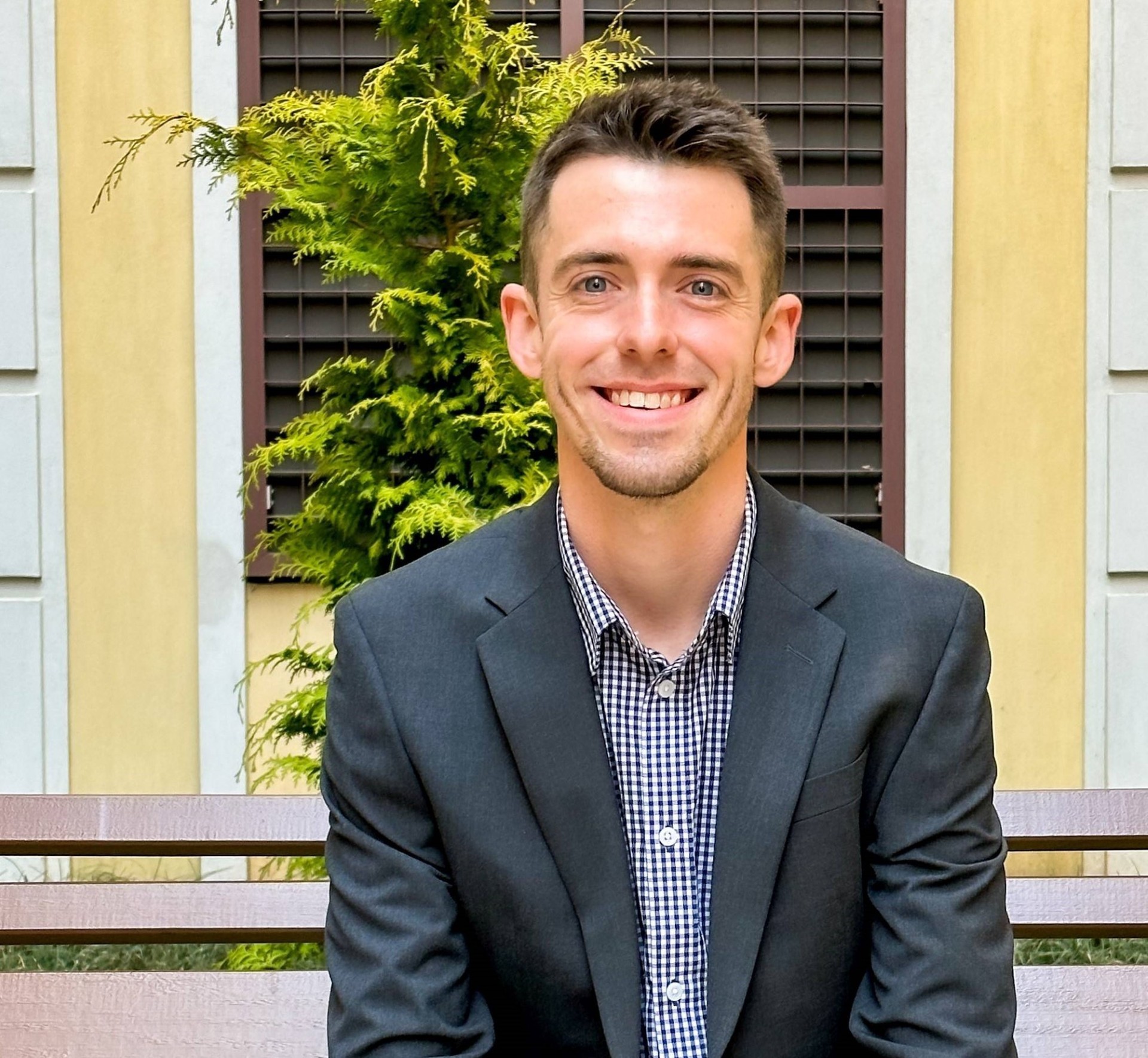
Matt Littlejohn
Where Solo Arrivals Become Shared Journeys
Now that they have a NAMSS conference under their belts, what advice do our three professionals have for those who will attend this year’s conference for the first time? (Keep in mind, attending the 2026 event will be especially exciting as it will be the association’s 50th.)
Blodgett urged first-timers to go in with an open mind and very clear goals. For his part, Littlejohn recommended attending as many sessions as possible and creating relationships with other attendees. “You never know when a relationship can come in handy for both of you!” he says.
Thankfully, neither of these three felt any intimidation factor in the early going of their first conference experience. Assuring next year’s first-timers, McCall says, “NAMSS does an excellent job of setting first-time attendees up for success well before the conference even begins.” The pre-event communication, in particular, made it easy to plan her experience from start to finish — from coordinating travel and hotel logistics to navigating the agenda and events.
McCall continues, “The conference app was especially helpful, as it allowed me to see who else was attending and connect with colleagues in advance, making the experience feel much more approachable. That sense of community makes it easy to feel comfortable, even as a first-time attendee.”
Like the mobile app and pre-event communication, NAMSS offers many resources for first-time and returning attendees alike, including networking events dedicated to new attendees and the conference journey maps. Blodgett also reached out prior to the conference on social media groups like Facebook and found many attendees who were excited to connect beforehand. Additionally, she attended welcome sessions and networking events that she found to be thoughtfully planned for both fun and meaningful connection opportunities. From her experience, Blodgett advises, “Set small, manageable goals for the conference, like attending one session you’re curious about, connecting with one new person, or visiting a couple of exhibitors each day. These small wins help gradually build confidence.”
McCall concludes that first-timers will almost certainly gain insights that improve their workflow, expand their thinking, and strengthen their impact. “Perhaps, most importantly, you’ll find yourself in a room full of people who truly understand what you do. In a profession that can often feel isolating, that sense of connection is powerful. You may walk in alone, but you won’t leave that way.”